
Working With an Architect to Create Your Dream Melbourne Home
Melbourne is a brilliant place to build a home… and a maddening one. The light changes fast, the weather can swing in a day, and the planning system will happily punish vagueness. So if you’re hiring an architect, don’t treat it like you’re “getting drawings done.” Treat it like you’re choosing a long-term thinking partner who’ll protect your budget, your timeline, and your sanity.
One line I repeat to clients: your brief is either the strongest tool on the project, or the first thing that gets ignored.
Hot take: most “dream home” projects fail before design even starts
Because the client doesn’t decide what matters.
If you can’t say what you refuse to compromise on—space, light, garden, privacy, a north-facing living room, a certain level of finish—then every meeting becomes a polite argument between taste, cost, and late-stage panic. I’ve seen gorgeous concepts collapse under value engineering simply because no one pinned down priorities early (and then everyone acted surprised).
Here’s the thing: clarity is cheaper than creativity.
A good architect will press you for specifics, sometimes uncomfortably. That’s a green flag, not an attitude problem—exactly the approach you’ll find in firms focused on bespoke Melbourne architectural design.
The “right” architect in Melbourne isn’t the fanciest one
You want someone who can design for your site, your budget, your planning constraints, and your appetite for complexity. Instagram doesn’t show the 17 emails about window head heights, or the builder arguing over waterproofing detailing. That’s where projects are actually won.
So when you’re hiring, I like a five-part filter. Not a vibe check. A real filter.
A practical 5-step hiring process (that actually prevents drift)
– Credentials and registration: In Victoria, use the official registers to confirm who you’re hiring is legitimate. “Designer” can mean a lot of things; architect is a protected title.
– Portfolio match (not just “nice work”): Look for projects with similar constraints: tight inner-suburban blocks, heritage context, sloping sites, tricky overlooking, bushfire overlays, whatever applies.
– How they listen: If they talk over you in the first meeting, they’ll do it all year. I’m serious.
– Team compatibility: Ask who they typically work with, structural engineers, energy assessors, building surveyors, even preferred builders. Smooth collaborations aren’t accidental.
– Proposal quality: Fees, scope, exclusions, milestones, deliverables, and a method for cost planning. If the proposal is vague, the project will be too.
Now, this won’t apply to everyone, but if someone can’t explain their fee structure in plain language, they often can’t manage a project in plain reality.
A short reality check on fees (and why cheap can get expensive)
Architectural fees vary wildly depending on scope, level of service, and how bespoke the design is. The trap is assuming “cheaper drawings” means “cheaper build.” It frequently doesn’t.
When documentation is thin, builders price risk. When details are unresolved, variations bloom. When decisions are late, lead times bite.
One clean set of drawings can save you more than it costs.
Zoning, permits, approvals: the part nobody wants to talk about
And yet, this is where Melbourne projects slow down.
Planning controls shape what you can do long before you get to the fun stuff. Zoning tells you the allowed uses and the broad development envelope, but overlays are where the real complications live. Heritage, vegetation protection, flood risk, design and development overlays, each can quietly rewrite your design brief.
A decent architect will start with a site-and-controls audit and then design through the rules, not against them. The bad move is paying for detailed design before you’ve confirmed whether council will even entertain the massing.
Permit timing is not just “admin,” either. It changes your build start date, which changes your tender window, which changes your pricing. One delay can ripple into a different construction season and different trade availability. It’s all connected.
One more thing: setbacks and overlooking aren’t minor. They influence building width, upper-storey placement, window design, screening, even where you’re “allowed” to look while making toast.
The Melbourne climate doesn’t forgive lazy design
You can feel a poorly oriented house in five minutes. Glare in the morning, heat-load in the afternoon, a freezing corridor all winter, and a living room that never quite settles.
Good architects obsess over the basics:
– Orientation and solar access (especially northern light where available)
– Cross-ventilation paths that actually work with door positions and furniture layouts
– Shading that’s tuned to summer sun angles, not just decorative overhangs
– Insulation + airtightness so the house performs, not just looks “sustainable”
And yes, materials matter, but not in the Pinterest sense. In Melbourne, brick can be a smart thermal decision. Timber can be warm and lightweight. Recycled-content cladding can be great (until you learn it has a six-month lead time and a fussy install spec).
I’m opinionated on this: sustainability is a design discipline, not a product shopping list.
One useful data point (because the numbers do matter)
Buildings account for a large share of global energy-related emissions. The UNEP/GlobalABC 2023 report puts the buildings and construction sector at 37% of global energy-related CO₂ emissions (United Nations Environment Programme, 2023 Global Status Report for Buildings and Construction).
That’s not abstract. Design choices at home scale, insulation levels, glazing, shading, electrification, stack up fast.
Timeline: concept to construction (and why the middle is where projects wobble)
Some stages are exciting. Others are necessary. A few are where budgets get quietly wrecked.
I usually think about it like this:
Feasibility / Pre-design: site measure, constraints, planning controls, initial budget calibration. If you skip this, you’ll pay for it later.
Schematic design: layouts, massing, early 3D, light and ventilation logic, first-pass materials.
Design development: structure coordination, systems planning, refined interior decisions, compliance pathways. This is where “nice idea” becomes “buildable thing.”
Construction documentation: proper drawings and specifications for permits, tendering, and construction. The boring power tool stage.
Tender + procurement: pricing, scope alignment, lead times, builder selection.
Construction + contract admin: decisions, inspections, RFIs, variations, quality control.
One-line truth:
Documentation is where confidence comes from.
And if you want a calmer build, you don’t rush drawings. You rush decisions before drawings.
Keeping the build budget on track (without killing the design)

Look, budgets don’t blow out because someone chose a fancy tap. They blow out because dozens of small decisions weren’t tracked against a live cost plan, and then the project hits tender with a surprised face.
In my experience, the healthiest projects use a rhythm that’s almost boring:
– short scheduled cost check-ins (every 2, 4 weeks during design)
– written decision logs (so “we agreed” doesn’t become “I assumed”)
– clear change control (what changes, what it costs, what it affects)
– contingencies that are real, not wishful
Also: insist on plain-English communication. If your architect can’t explain cost implications without hiding behind jargon, push back. A professional can be technical and understandable. You deserve both.
One more opinionated note: value engineering should be design-led, not builder-led. Builders are brilliant at buildability and sequencing; architects are trained to protect intent while simplifying. When those roles blur, you often lose the best parts of the design and keep the expensive complexity. Strange but common.
A slightly informal section: what I’d ask in the first meeting
If you’re sitting across the table from a potential architect, try a few of these:
– “Show me a project that went over budget, what happened and what did you change after that?”
– “How do you document decisions so nothing gets lost?”
– “What do you hand a builder at tender, drawings only, or full specifications?”
– “How do you handle council feedback without redesigning the whole house?”
– “If I change my mind midstream (and I probably will), how do you price that?”
Their answers will tell you more than their awards.
Final thought (not a wrap-up, just a truth)
A great Melbourne house is rarely the result of one brilliant idea. It’s the result of a hundred well-managed decisions, about light, planning rules, materials, detailing, and timing, made with someone who knows where the traps are (and doesn’t mind telling you).
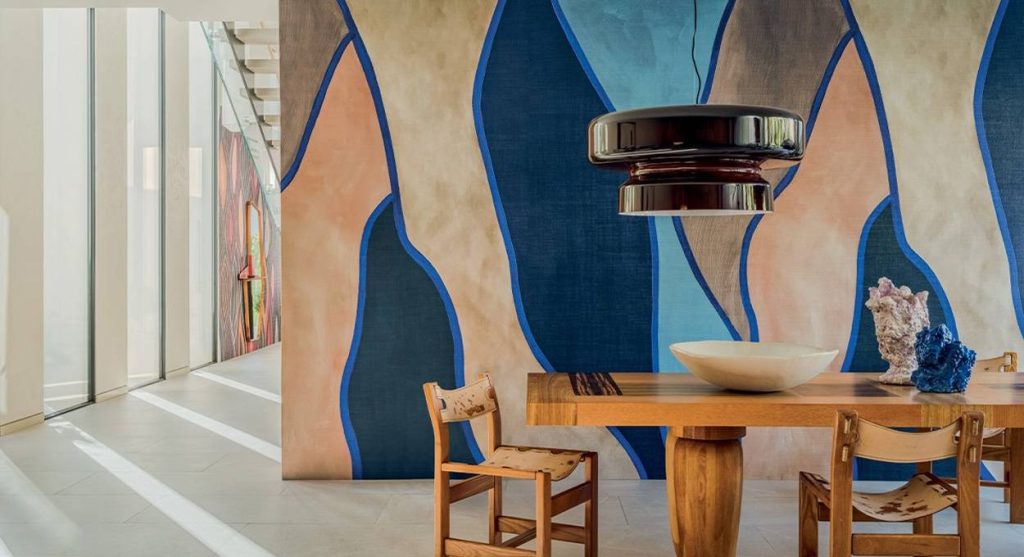
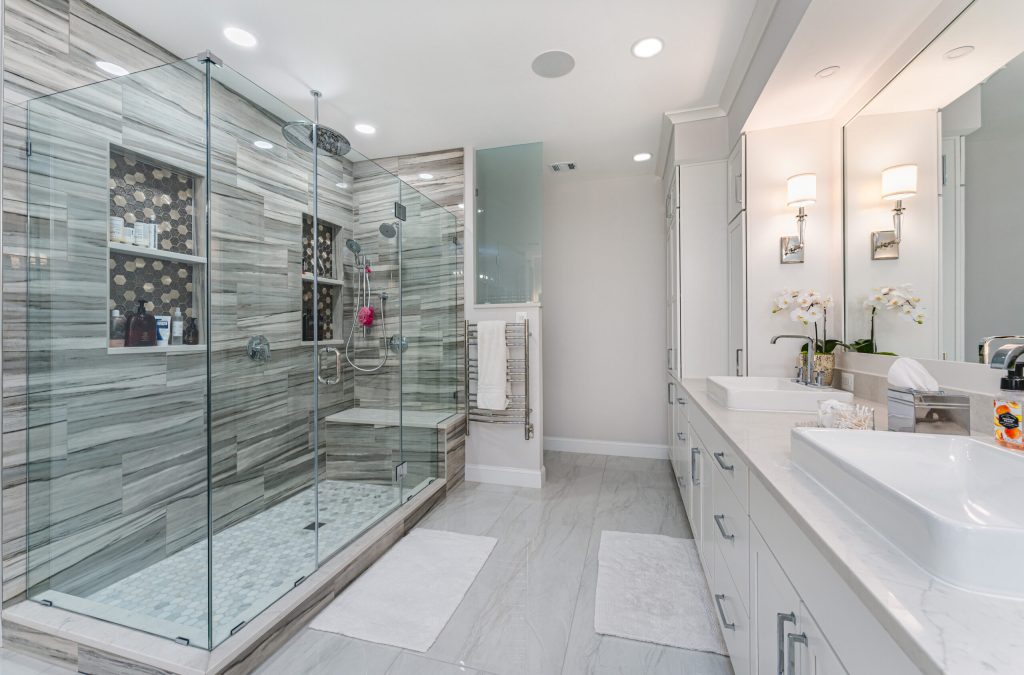




 Rather than picking the standard, worn out choices, connect for fresher and more dynamic thoughts when the deck development is finished. For example, earthenware stools can bring fun whether they are utilized as a little table or transitory seating. There are many style decisions. Simply take a gander at the racks upon racks of home plan books at the book shop! Whether you are looking for a Victorian style, or something more contemporary, you can give life and pleasure onto your deck through variety decisions, and style.