Navigating Medellin – A Blueprint for a Seamless Relocation Experience
Relocating to a new city can be both exhilarating and overwhelming, especially when it involves a vibrant metropolis like Medellin, Colombia. Known for its rich culture, breathtaking landscapes, and warm-hearted people, Medellin offers expatriates an unparalleled experience. To ensure a smooth transition and make the most of your time in this captivating city, follow this blueprint for a seamless relocation experience.
Research and Planning – Start by conducting thorough research about Medellin’s neighborhoods, climate, cost of living, and local culture. This will help you understand what to expect and make informed decisions. Create a checklist of tasks such as finding accommodation, securing visas if necessary, and setting up utilities.
Language Preparation – While many locals speak Spanish, having a basic understanding of the language will greatly enhance your experience and interactions. Consider enrolling in language classes or using language learning apps to familiarize yourself with Spanish phrases and expressions.
Finding Accommodation – Medellin offers a diverse range of accommodation options, from modern apartments in upscale neighborhoods to cozy houses in traditional barrios. Explore platforms like Airbnb, Craigslist, or local real estate agencies to find a place that suits your preferences and budget. Consider factors such as proximity to amenities, safety, and transportation.
Navigating Transportation – Medellin boasts an efficient transportation system, including the Metro, Metrocable, and buses, making it easy to navigate the city. Purchase a Civica card for seamless access to public transportation and familiarize yourself with the routes and schedules. Alternatively, taxis and ride-sharing services like Uber are readily available for convenient travel.
Cultural Immersion – Immerse yourself in Medellin’s vibrant culture by exploring its museums, art galleries, and cultural events. Visit landmarks like Plaza Botero, Museo de Antioquia, and Parque Explora to gain insights into the city’s history and heritage. Engage with locals, attend festivals, and embrace new experiences to fully immerse yourself in the Medellin way of life.
Safety Precautions – While Medellin has made significant strides in improving safety and security, it is essential to exercise caution and be aware of your surroundings, especially in crowded areas and at night. Avoid displaying valuables openly and take necessary precautions to protect yourself from petty crimes.
Healthcare Considerations – Familiarize yourself with Medellin’s healthcare system and ensure you have adequate health insurance coverage during your stay. Research hospitals, clinics, and pharmacies in your area, and keep important medical documents and emergency contacts readily accessible.
Integration into Community – Get involved in the local community by joining clubs, volunteering, or participating in social activities. This will not only help you make new friends but also provide valuable insights into Colombian culture and customs.
Exploring Surrounding Areas – Beyond Medellin’s city limits lie breathtaking natural landscapes and charming towns waiting to be explored. Lastly, remain flexible and open-minded as you navigate your relocation journey. Embrace the inevitable challenges and setbacks with resilience, and celebrate the triumphs and joys that come with living in one of South America’s most dynamic cities.
By relocation service, you can embark on a seamless relocation experience in Medellin, where every day promises new adventures and discoveries in this enchanting Colombian gem.
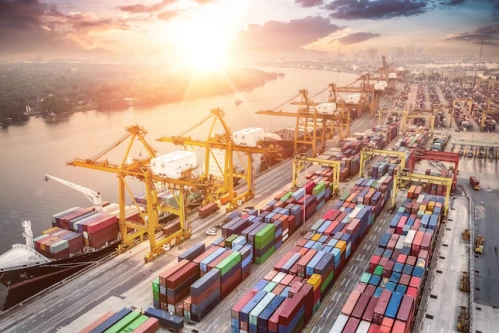 Artificial Intelligence, on the other hand, has empowered freight networks with predictive analytics and optimization algorithms. By analyzing historical data and identifying patterns, AI systems can forecast demand, optimize routes, and streamline operations. This not only reduces operational costs but also enhances the overall efficiency of freight networks. Additionally, AI-driven predictive maintenance ensures that transportation vehicles are well-maintained, minimizing the chances of breakdowns that could lead to delays in the supply chain. Blockchain technology has emerged as a game-changer in ensuring the security and transparency of transactions in global trade. Freight networks often involve numerous parties, including manufacturers, suppliers, carriers, and customs authorities. Blockchain’s decentralized and tamper-proof ledger ensures that each participant in the supply chain has access to real-time, immutable data. This not only reduces the risk of fraud but also expedites the clearance process at customs, cutting down on bureaucratic delays.