
Cutting-Edge Air Conditioning Systems for Superior Cooling Performance
In the realm of modern comfort and environmental control, cutting-edge air conditioning systems have emerged as the pinnacle of superior cooling performance. With advancements in technology and engineering, these systems are revolutionizing the way we experience climate control, offering unprecedented efficiency, sustainability, and comfort. Gone are the days of traditional cooling units struggling to maintain consistent temperatures or consuming excessive energy. Today’s air conditioning solutions are designed to not only cool spaces effectively but also to do so with minimal environmental impact and maximum cost savings. At the forefront of this technological evolution are innovations such as variable refrigerant flow VRF systems and smart thermostats. VRF systems employ advanced refrigerant control to precisely regulate the flow of cooling or heating capacity to different zones within a building. This enables greater flexibility in temperature control, allowing occupants to customize their comfort levels while minimizing energy waste.
Additionally, freon ac boast impressive energy efficiency ratings, reducing operational costs and lowering carbon footprints. Complementing these sophisticated cooling units are smart thermostats equipped with artificial intelligence and machine learning capabilities. These intelligent devices adapt to occupants’ preferences and behaviors, optimizing cooling schedules and settings for maximum comfort and energy savings. By learning from usage patterns and external factors such as weather forecasts, smart thermostats ensure efficient operation without sacrificing comfort. Moreover, they can be remotely controlled via mobile apps, enabling users to adjust settings on the go and monitor energy consumption in real-time. Furthermore, the integration of renewable energy sources such as solar power has further enhanced the sustainability of modern air conditioning systems. Solar-powered air conditioning units harness the abundant energy of the sun to supplement traditional electricity sources, reducing reliance on fossil fuels and lowering greenhouse gas emissions. This eco-friendly approach not only benefits the environment but also offers long-term cost savings as energy costs continue to rise. In addition to energy efficiency and sustainability, cutting-edge air conditioning systems prioritize indoor air quality IAQ through advanced filtration and purification technologies.
HEPA filters and UV-C light systems remove airborne contaminants such as dust, pollen, and bacteria, ensuring a healthier and more comfortable indoor environment. By eliminating pollutants and allergens, these systems promote respiratory health and enhance overall well-being for occupants. Another notable advancement in air conditioning technology is the integration of Internet of Things IoT connectivity, enabling seamless communication and coordination between various components of HVAC systems. IoT-enabled sensors monitor environmental conditions in real-time, allowing for predictive maintenance and proactive troubleshooting to prevent costly breakdowns and optimize system performance. Moreover, IoT connectivity facilitates integration with smart building management systems, enabling centralized control and automation for enhanced efficiency and convenience. With innovations such as VRF systems, smart thermostats, renewable energy integration, advanced filtration, and IoT connectivity, these systems are setting new standards for comfort, convenience, and environmental responsibility. As technology continues to evolve, the future of air conditioning holds even greater promise for creating healthier, more sustainable and more comfortable indoor environments for generations to come.
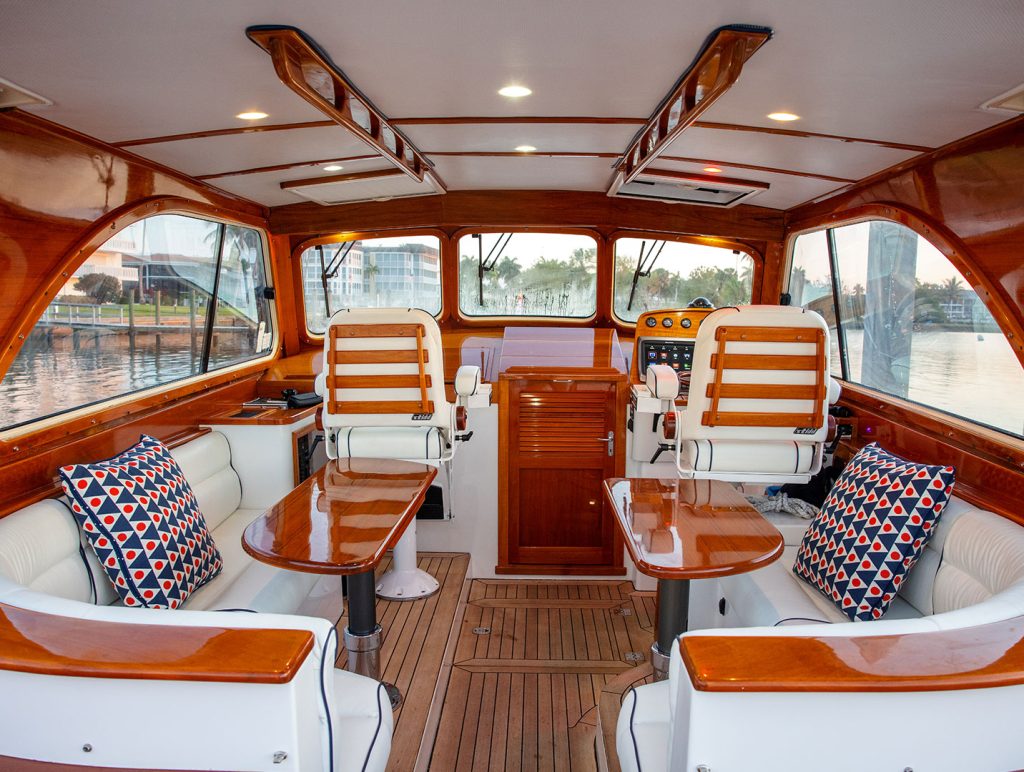 With a yacht as your base, you have the freedom to immerse yourself in nature’s wonders and create unforgettable memories. Beyond the allure of luxury and adventure, yacht rental services offer practical advantages as well. Whether you are celebrating a special occasion, hosting a corporate event, or simply seeking a private retreat, a yacht provides a secluded and exclusive environment away from the crowds. Enjoy privacy, security, and